
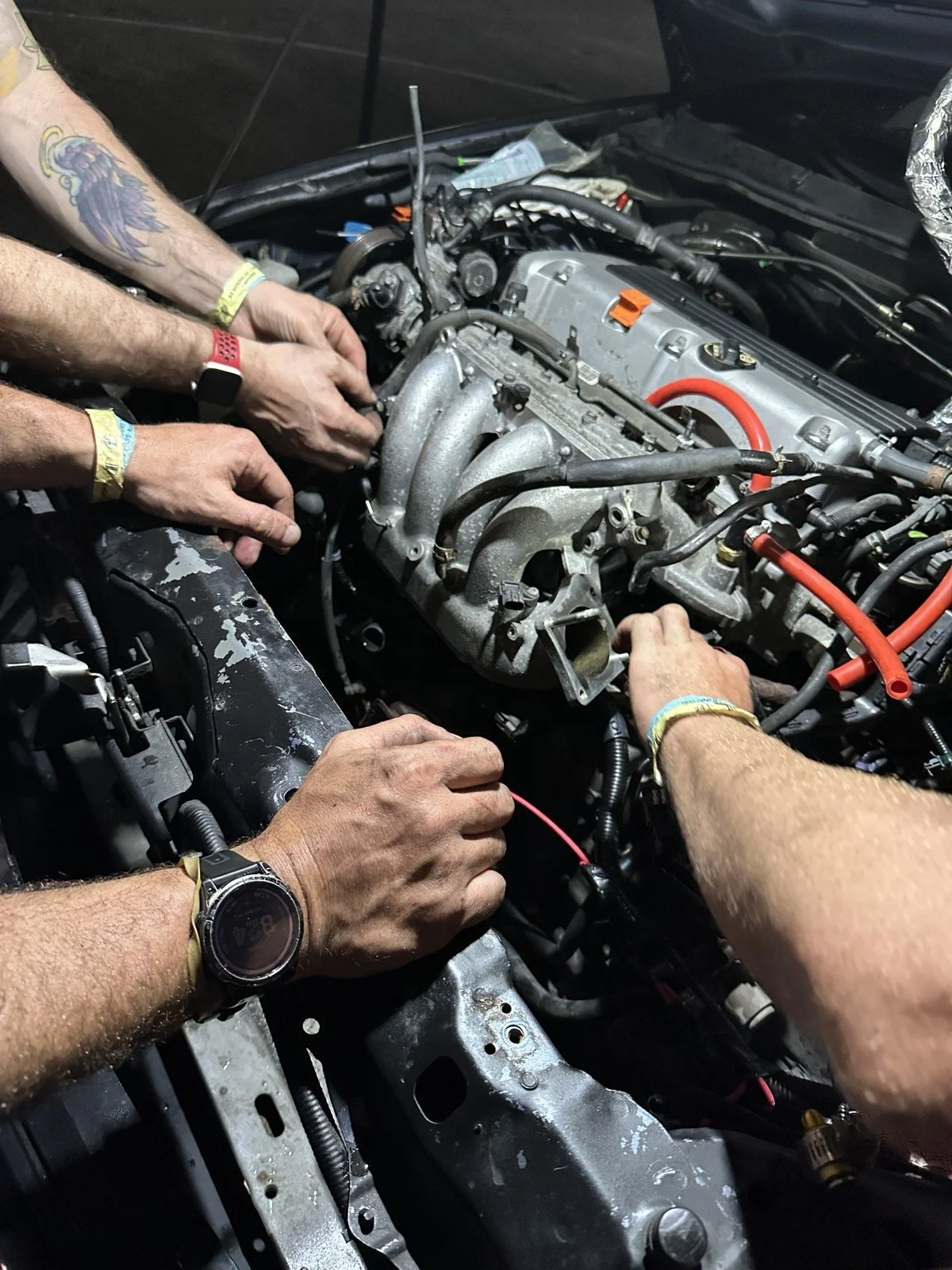
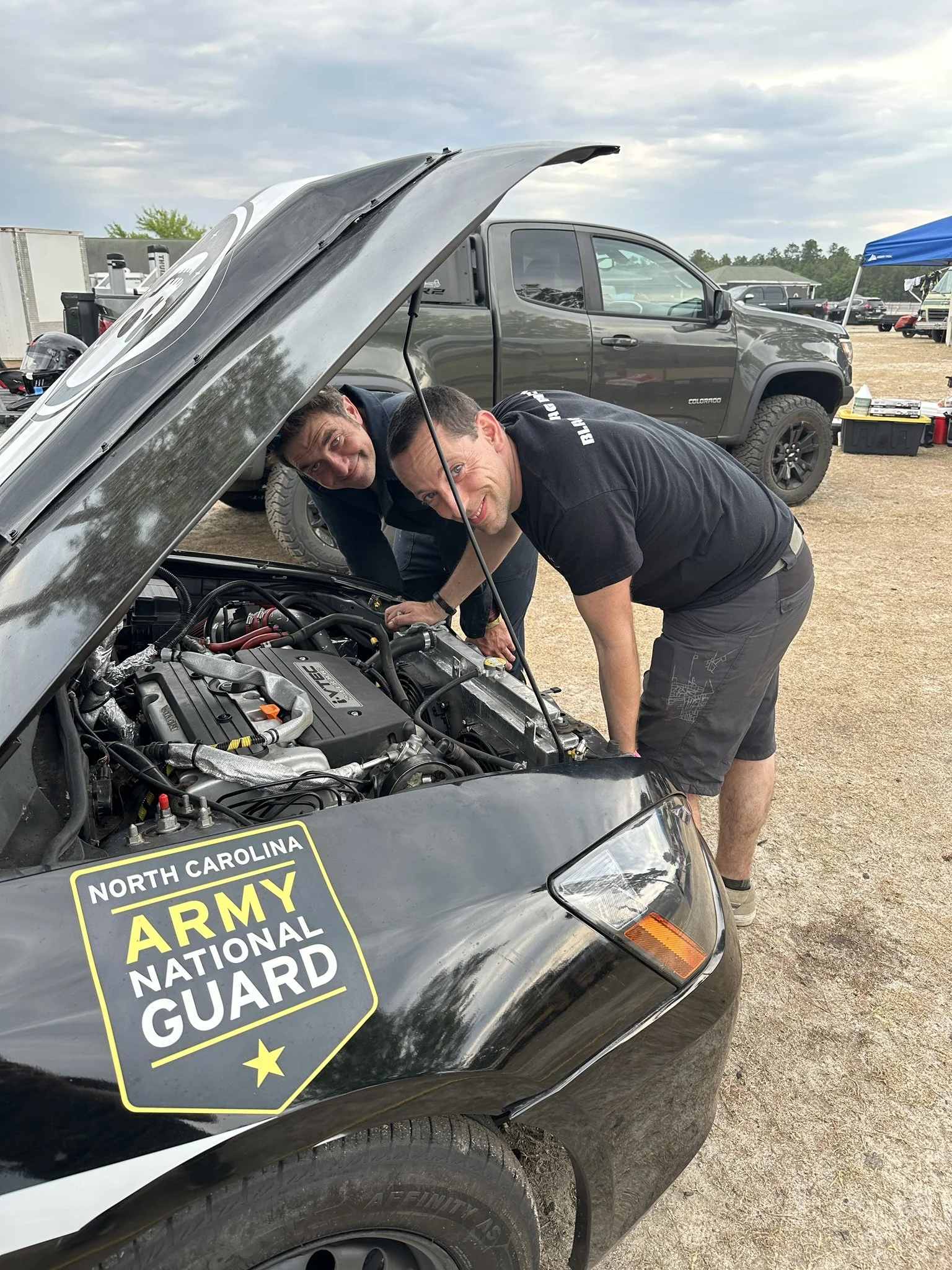
TECH TALK: IDeas, OPINIONS, AND OBSERVATIONS FROM BLACK FLAG RACING
Welcome to the technical side of Black Flag Racing, where bad decisions get tested, good ideas get stolen, and every broken part eventually becomes a lesson with torque specs. This is where we explain what worked, what failed, what tried to kill the car, the pit crew, or the drivers and what we are doing about it before the next green flag drops.
We will be posting new technical articles every week—or more often whenever the car, the data, or mechanical violence gives us something important to say.
If you like endurance racing, clever fabrication, and the kind of engineering that gets discussed while holding a flashlight in your teeth, you are in the right place.

STRING THEORY: ITS ALL IN THE RELEASE
Imagine a string tied between the steering wheel and your foot. Turn the wheel, the string pulls your foot off the pedal. It's an old driving-school trick, and it explains most of what happens between the brake zone and track-out — including why the fastest thing you can do at the apex is nothing in particular. The technique lives in the release.
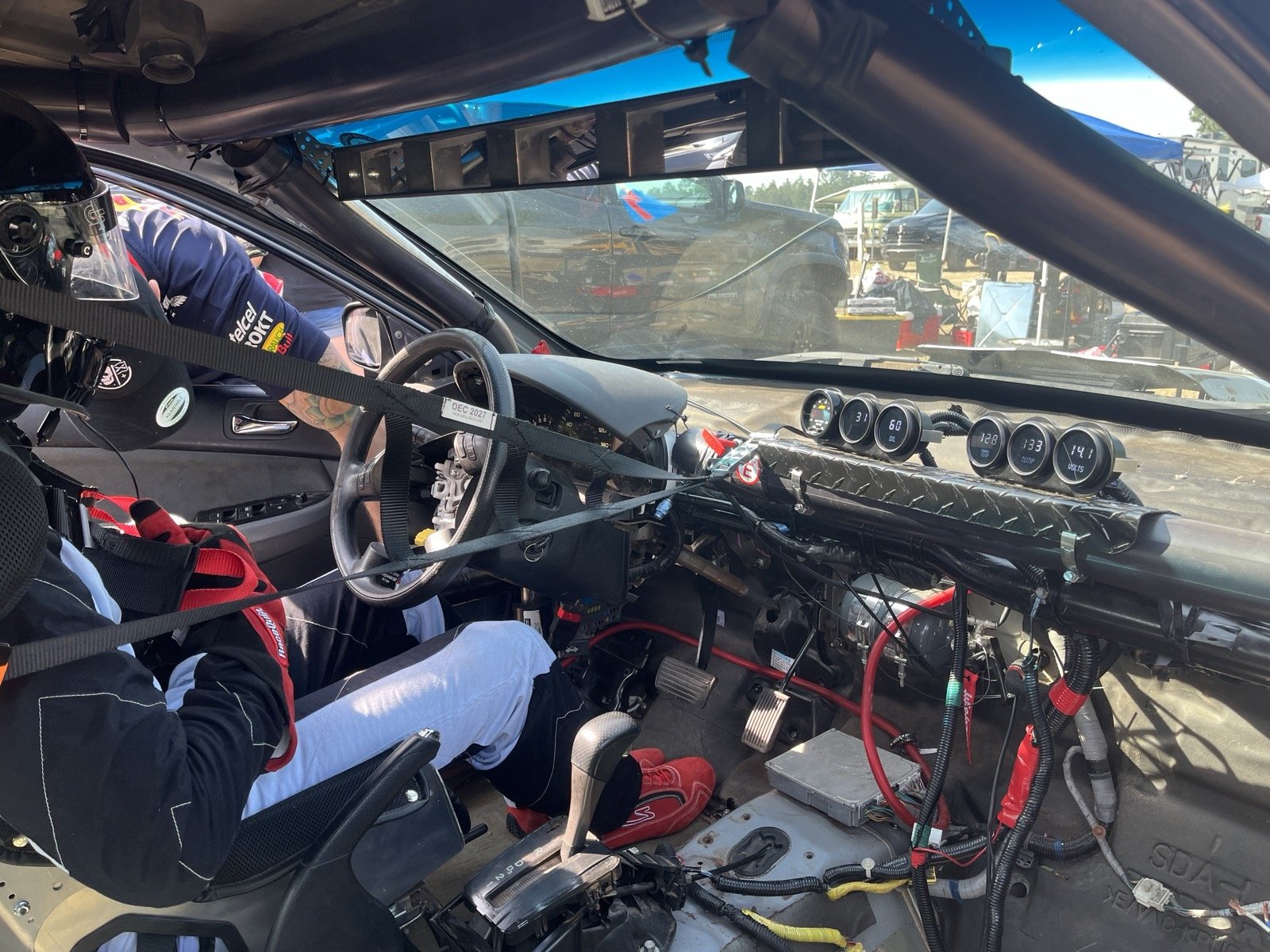
RADIO CHATTER: SLANG OF THE PITS, PADDOCK & TRAFFIC
Part 1 drew the map; this is the language spoken on top of it. Pushing, loose, send it, splash and dash, BOX BOX BOX — the slang of the car, the traffic, the radio, and the paddock, translated for new drivers, new crew, and worried families. Ends with a complete Black Flag Racing radio conversation, annotated for civilians. Mechanical sympathy sold separately.
From paddock to blend line, apex to tire wall: BFR's plain-English guide to racing vocabulary
Racing has its own language, and it was invented to describe a map. Part 1 of our vocabulary series walks the property, the flags, and the anatomy of a corner — paddock to blend line, apex to tire wall — so new drivers, new crew, and confused family members can follow the radio. No driving instruction, minimal shame, six diagrams. Part 2 covers the slang.
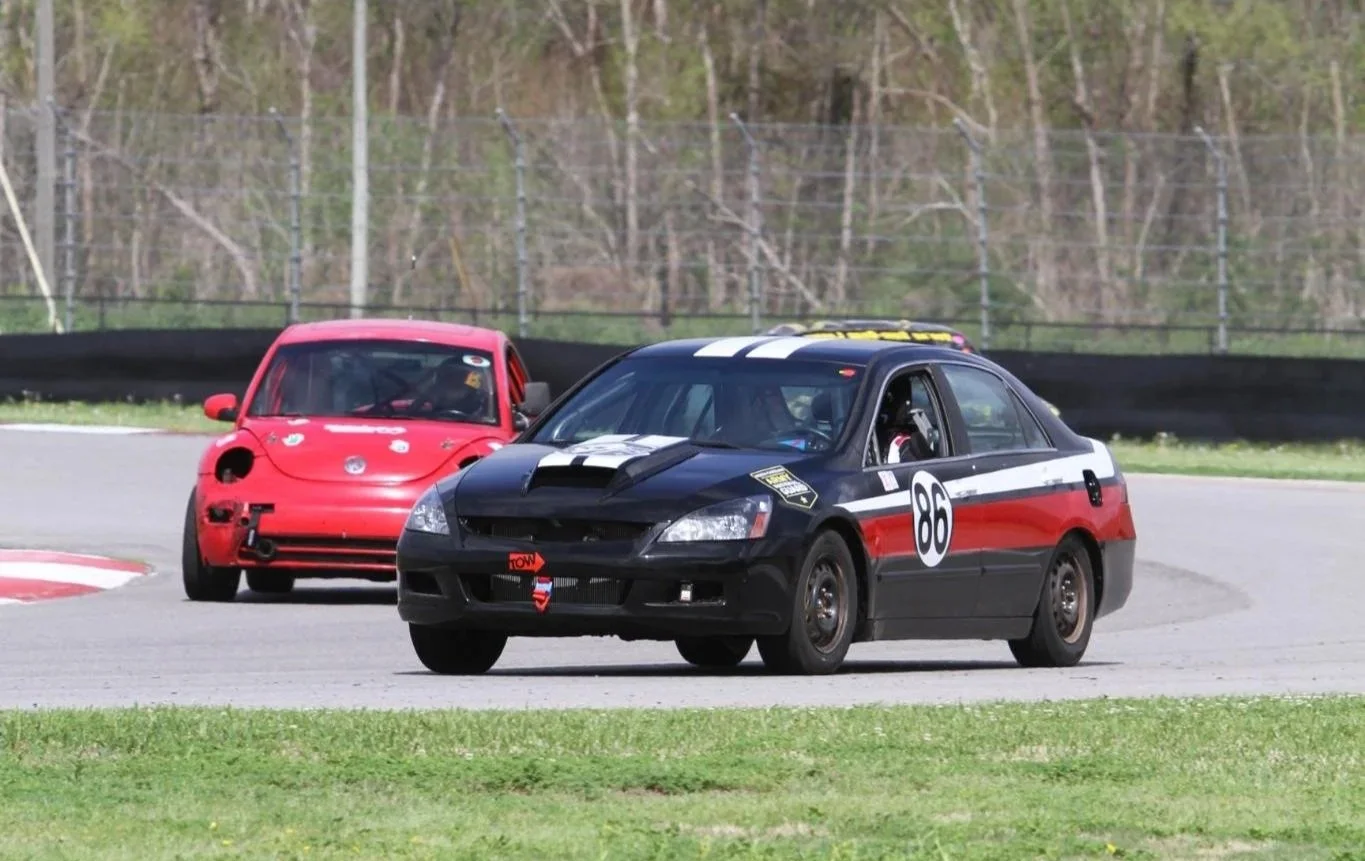
The Pedal We Don’t Have: Why we are running a 5-speed Automatic
Yes, Black Flag Racing’s #86 Accord is an automatic—on purpose. Here’s what the BCLA transmission costs, what it protects us from, and how converter lockup, ATF temperature, cooling, maintenance, and disciplined range selection may determine whether it survives an endurance race.
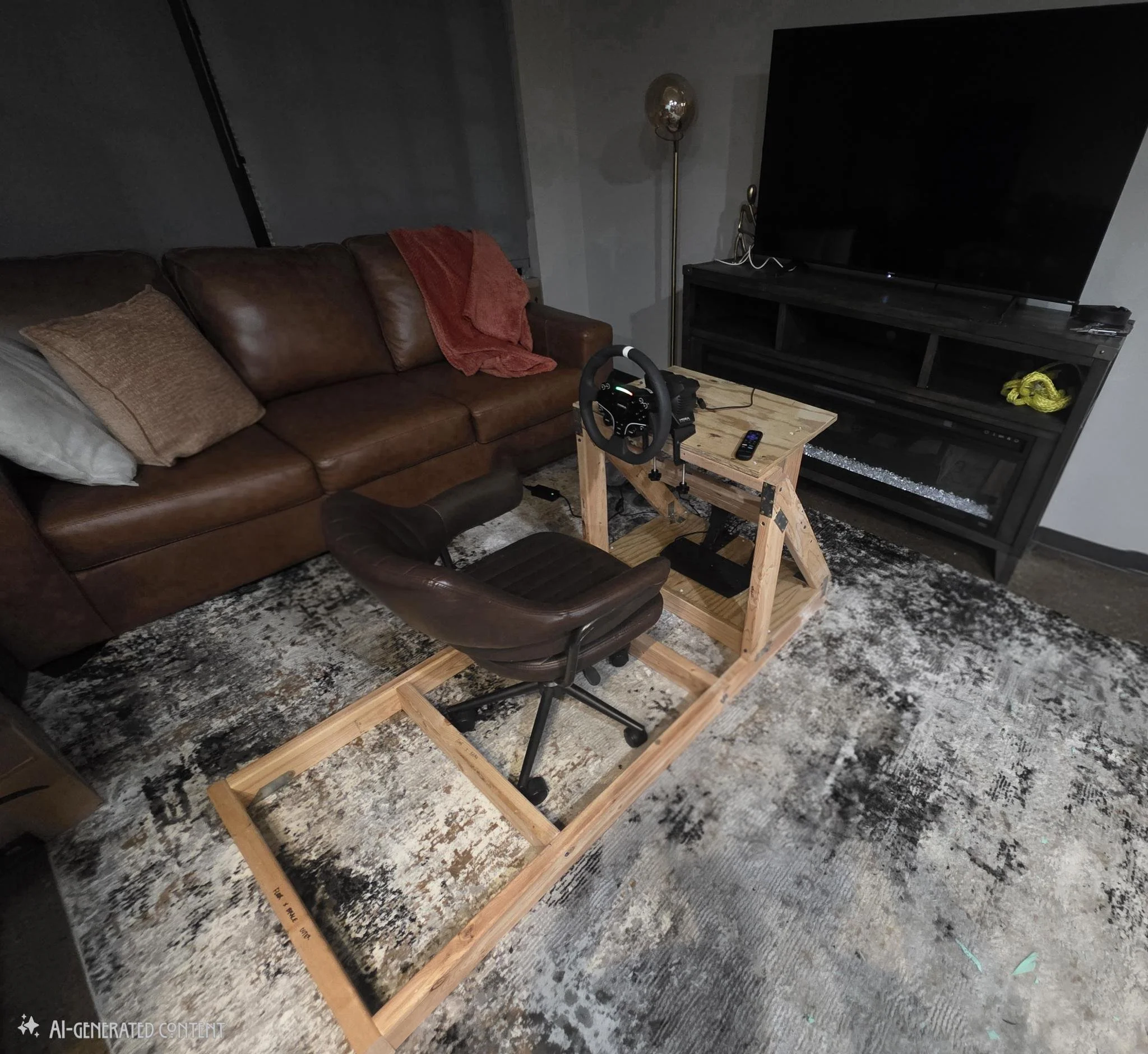
Sim to Asphalt: The Case For Simulation In Race Prep
Black Flag Racing adds sim prep to the race-week toolbox, using Assetto Corsa, a homemade 2x4 rig, and an office chair with ambition to learn NCM before the #86 Accord gets there.
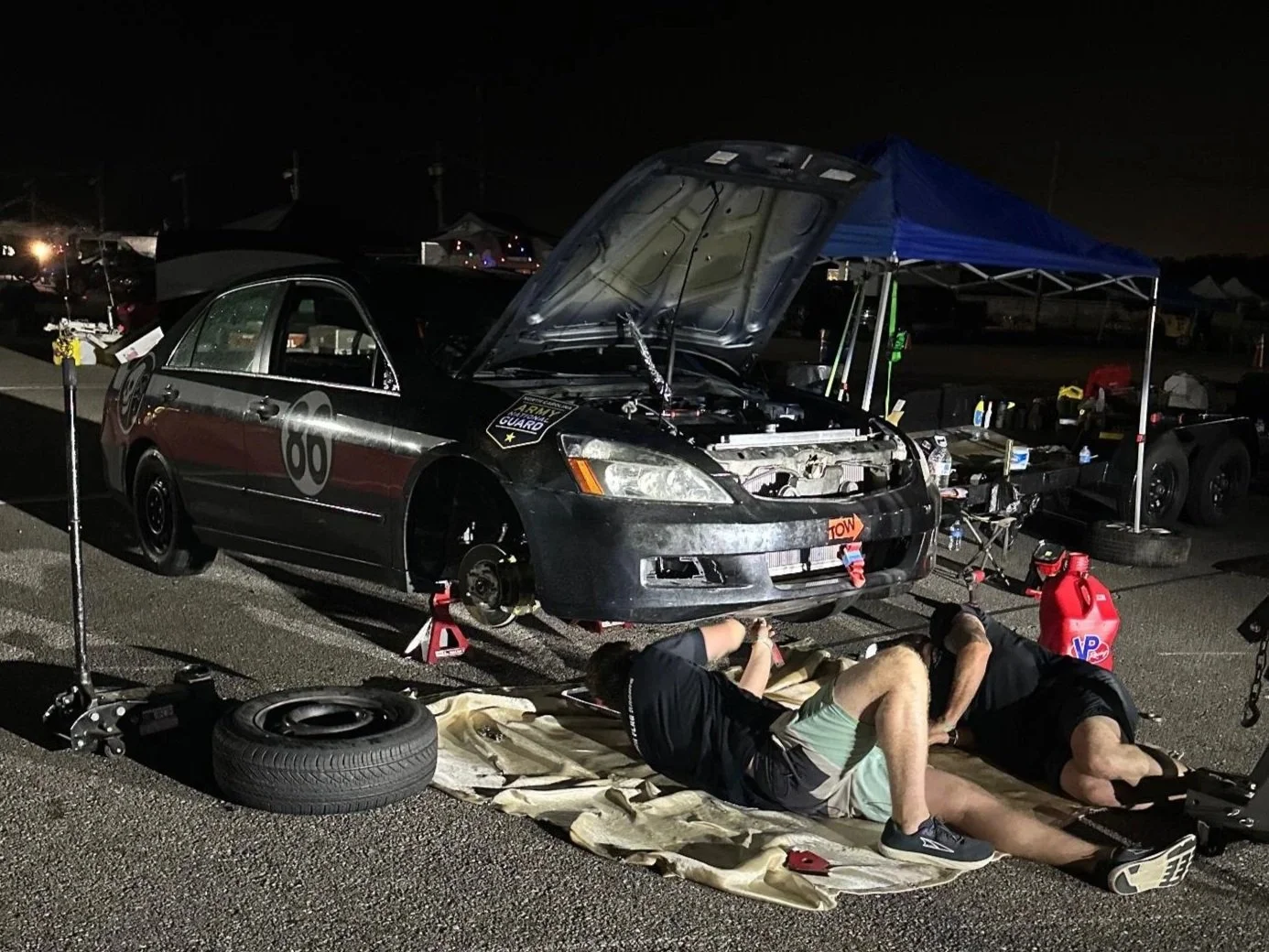
Bedding Brakes:Stop Lying to Your Rotors
A brand-new set of pads and rotors doesn't actually work yet. Out of the box, your brakes are two strangers told to fall in love at ninety miles an hour. Here's the smoky ritual that makes them trustworthy, and the stop-sign mistake that ruins it.
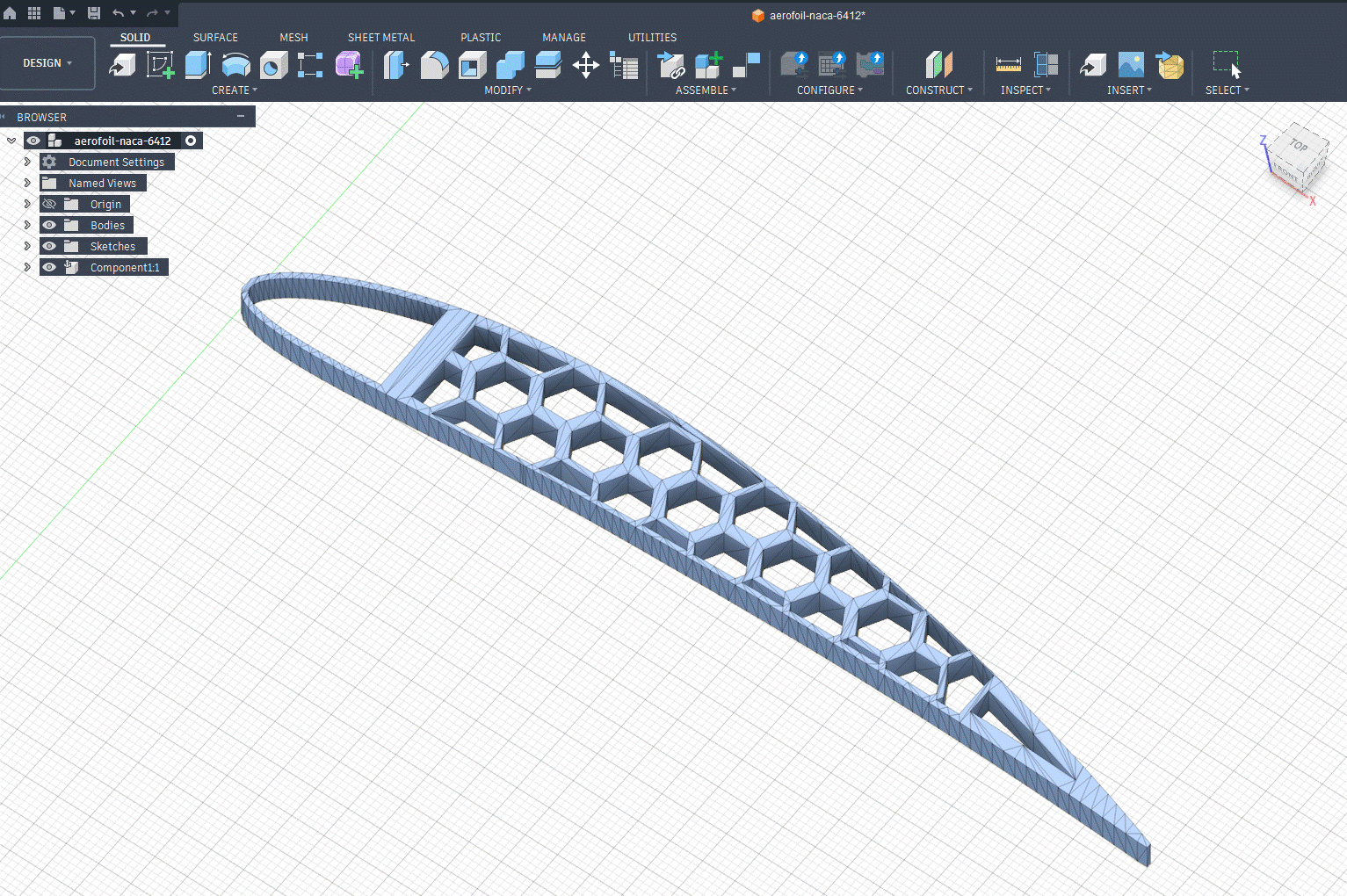
Rear Lift: A Bad Idea That Might Be Useful
Project Zephyr Prime asks a strange but useful question: could controlled rear lift help a front-wheel-drive race car accelerate harder? In theory, a carefully managed rear-lift mode could help keep the front tires loaded during heavy acceleration, reducing wasted wheelspin and help the engine put more of its power to work.
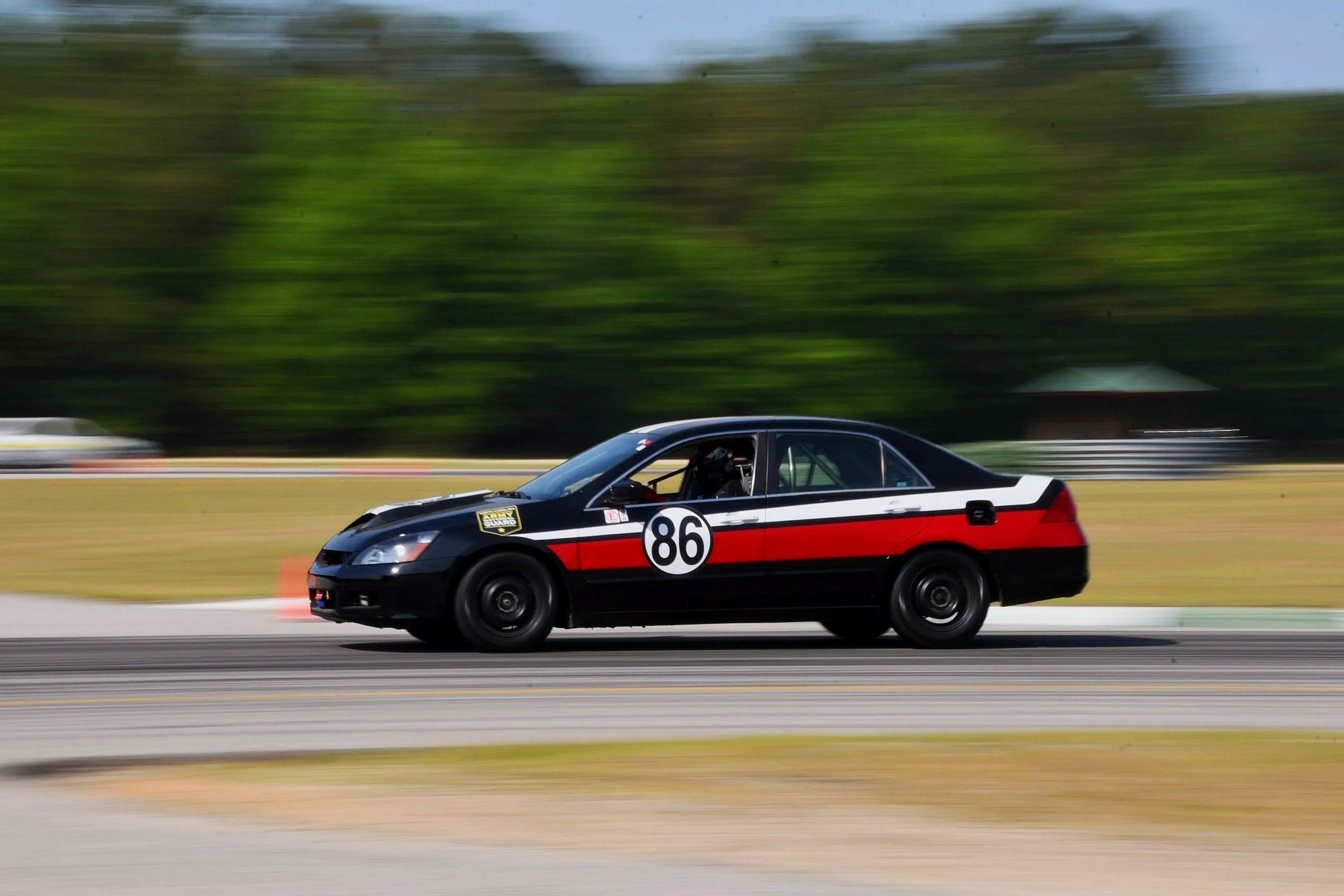
HERO LAPS: The Most expensive lap in Motorsports
The Hero Lap promises glory, shaves a moment off the stopwatch, and quietly sends the bill to the brakes, tires, fuel tank, engine, and pit crew. In endurance racing, the car that wins is not the one that ran one magical lap—it is the one that ran the same smart lap over and over while everyone else was busy being a hero.
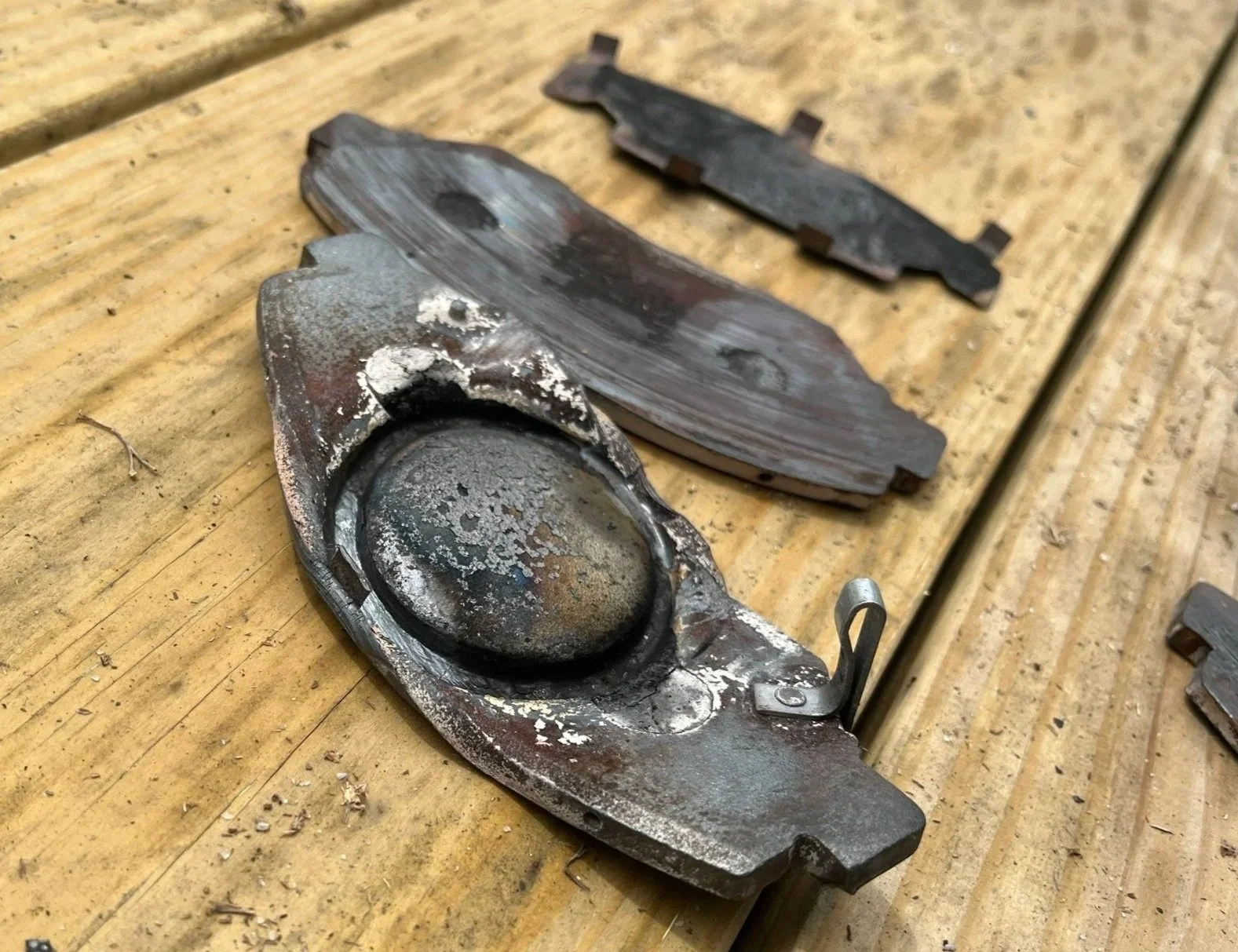
THE CAR IS AN ECOSYSTEM: WHY PERFORMANCE UPGRADES MUST BE TREATED LIKE A DYSFUNCTIONAL FAMILY
Horsepower is never just horsepower, brakes are never just brakes, and aero is never just a wing bolted on with optimism and bad judgment. In endurance racing, every upgrade affects the whole car — fuel burn, heat, tires, suspension, pit strategy, driver fatigue, and the long-term emotional health of everyone holding a wrench. This article explains why the fastest car is not the one with the most parts, but the one whose systems actually work together.
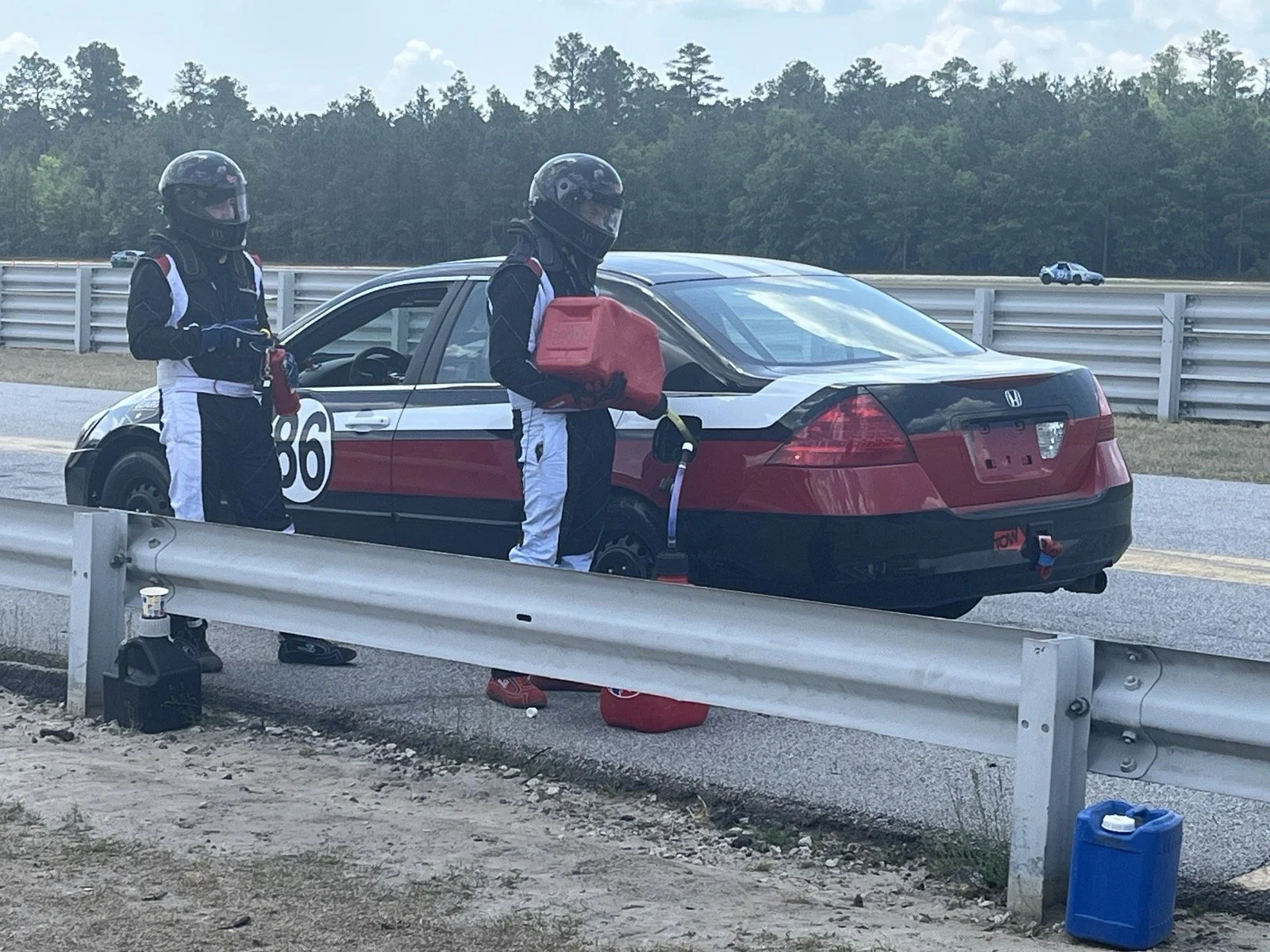
FUEL STRATEGY: WINNING ENDURANCE RACING A GALLON AT A TIME
Fuel strategy isn’t about going slower, it’s about going farther, longer, and smarter than everyone else on track. In endurance racing, every throttle input, braking zone, and corner exit has a cost measured in fuel, heat, and wear. The teams that understand how to manage those costs don’t just survive the race—they control it, one disciplined lap at a time.
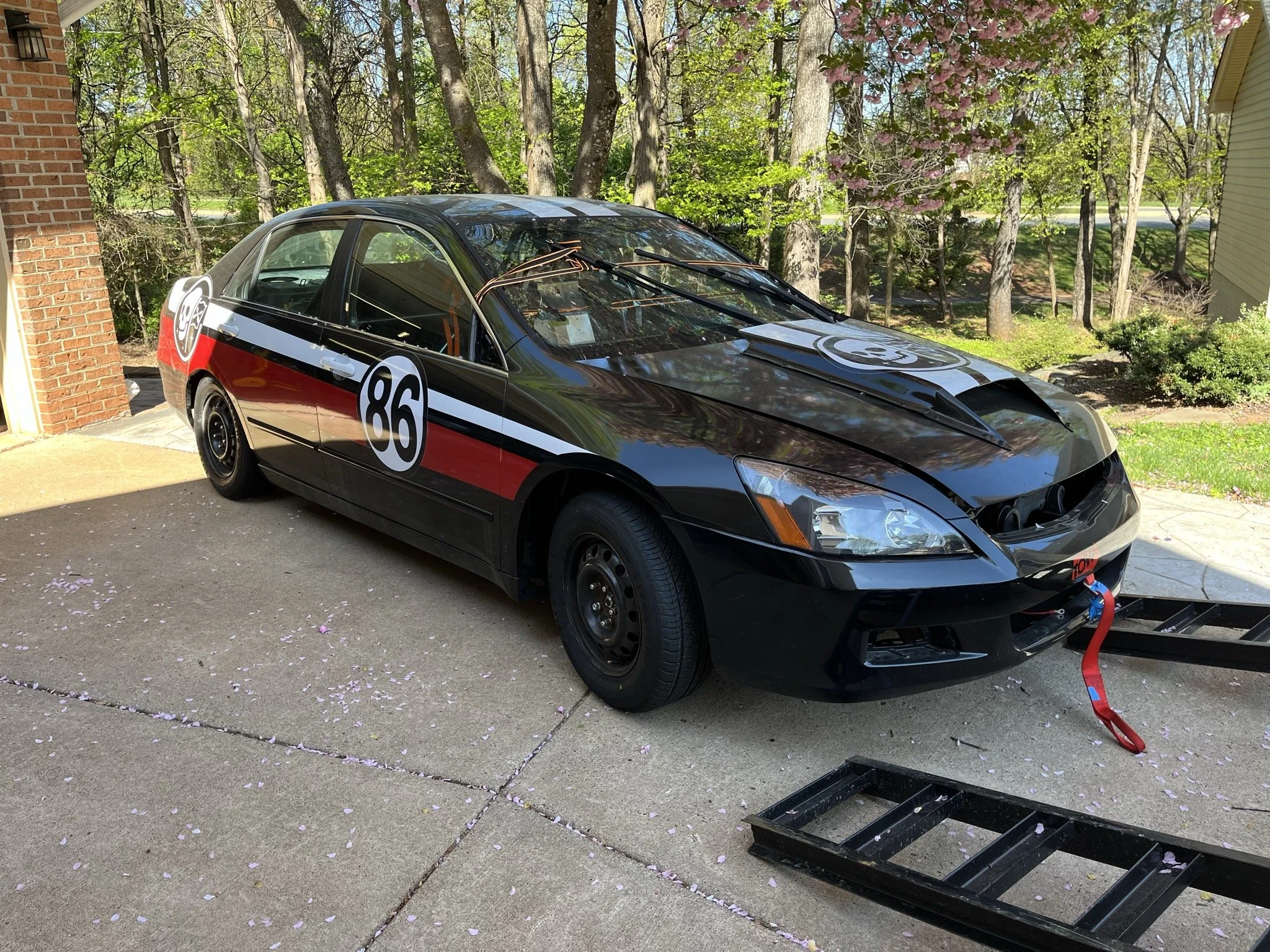
REFLECTION BEFORE COMPETITION: What Failure Taught Us Before CMP
Upon reflection, New Orleans did not just give Black Flag Racing a blown engine. It gave us clarity. As the #86 car prepares to compete again, this Tech Talk reflects on the hard lessons from failure, the limits of partial solutions, and why better oil control, smarter systems thinking, and painful experience matter more than simply dropping in another engine.
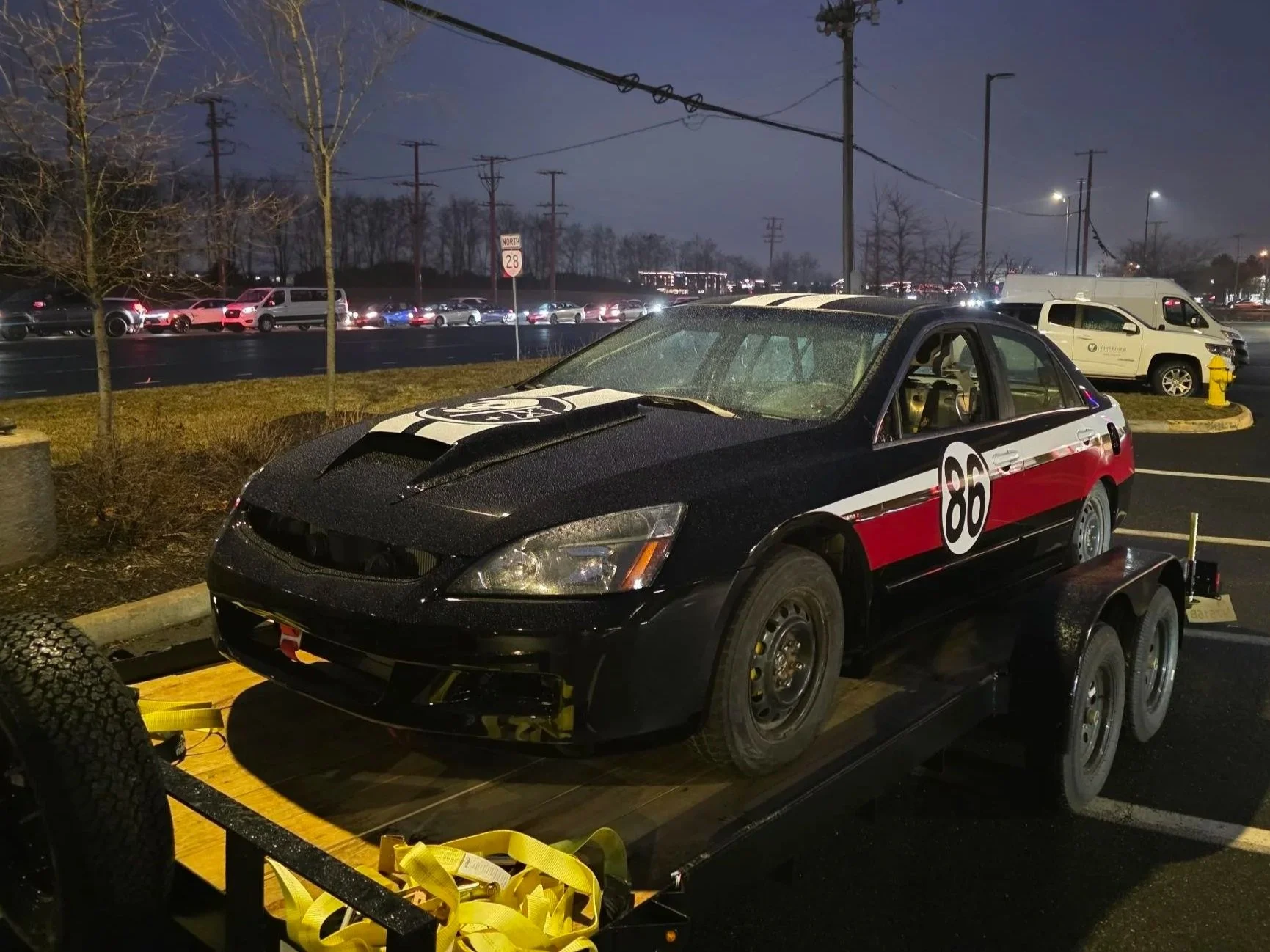
Cooling Is a Team Sport: Why one solution Can’t Do All the Heavy Lifting
Coolant temp can look perfect while the rest of the car is quietly plotting your financial ruin. In this Tech Talk, Black Flag Racing breaks down why endurance cooling is bigger than the radiator alone, and why oil control, transmission temps, brake heat, and airflow all have to work together if the Accord is going to survive race day.
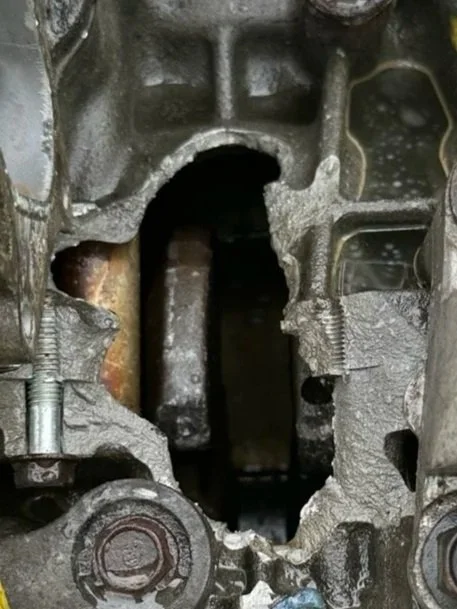
RUNNING COOL, BLOWING RODS: Why COOLING STRATEGIES ARE MORE THAN WATER TEMP
Black Flag Racing proved that keeping coolant under 220 degrees is great for morale, but it does not stop the bottom end from making terrible life choices. After 65 laps at the 24 Hours of Lemons in New Orleans, our K24 demonstrated that oil starvation and aeration can turn a healthy-running endurance car into an impromptu engine-disassembly exhibit. The heater-core cooling setup did its job beautifully. The oiling system, on the other hand, appears to have briefly lost interest in long-term commitment. The result was a thrown rod, a ventilated block, and one very educational reminder that cool water does not guarantee calm internals.
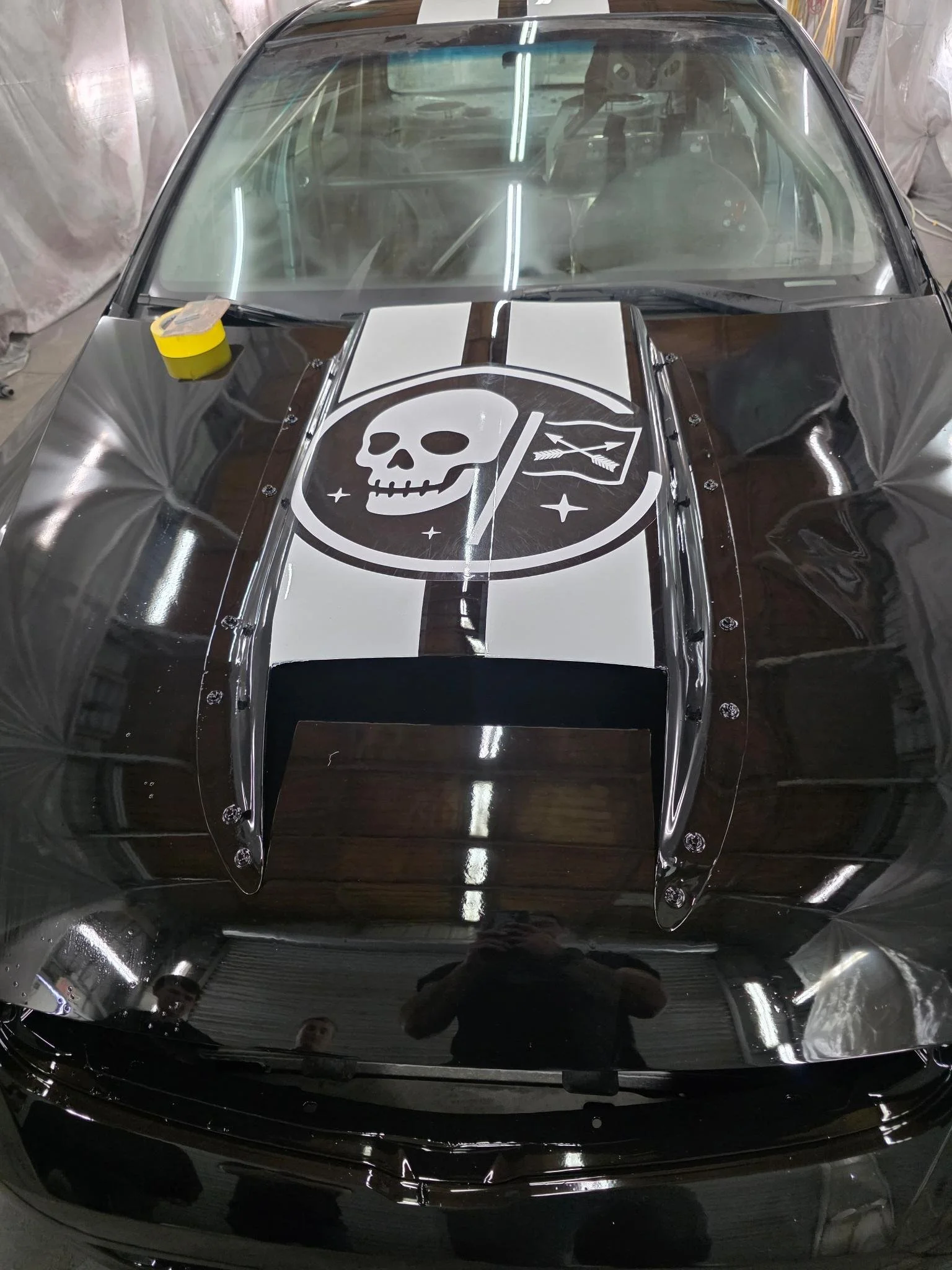
HOT UNDER THE HOOD: SOLVING A HEAT PROBLEM
Black Flag Racing transformed a stock 2007 Honda Accord heater core into a hood-mounted auxiliary radiator under an L88 scoop, turning clever fabrication into real endurance-racing advantage. The result was equal parts bold and effective: a cooler-running car that stayed under 220 degrees through the heat, humidity, and chaos of a New Orleans Lemons weekend.